From debris to resources: what it takes to make circular reconstruction work in Ukraine
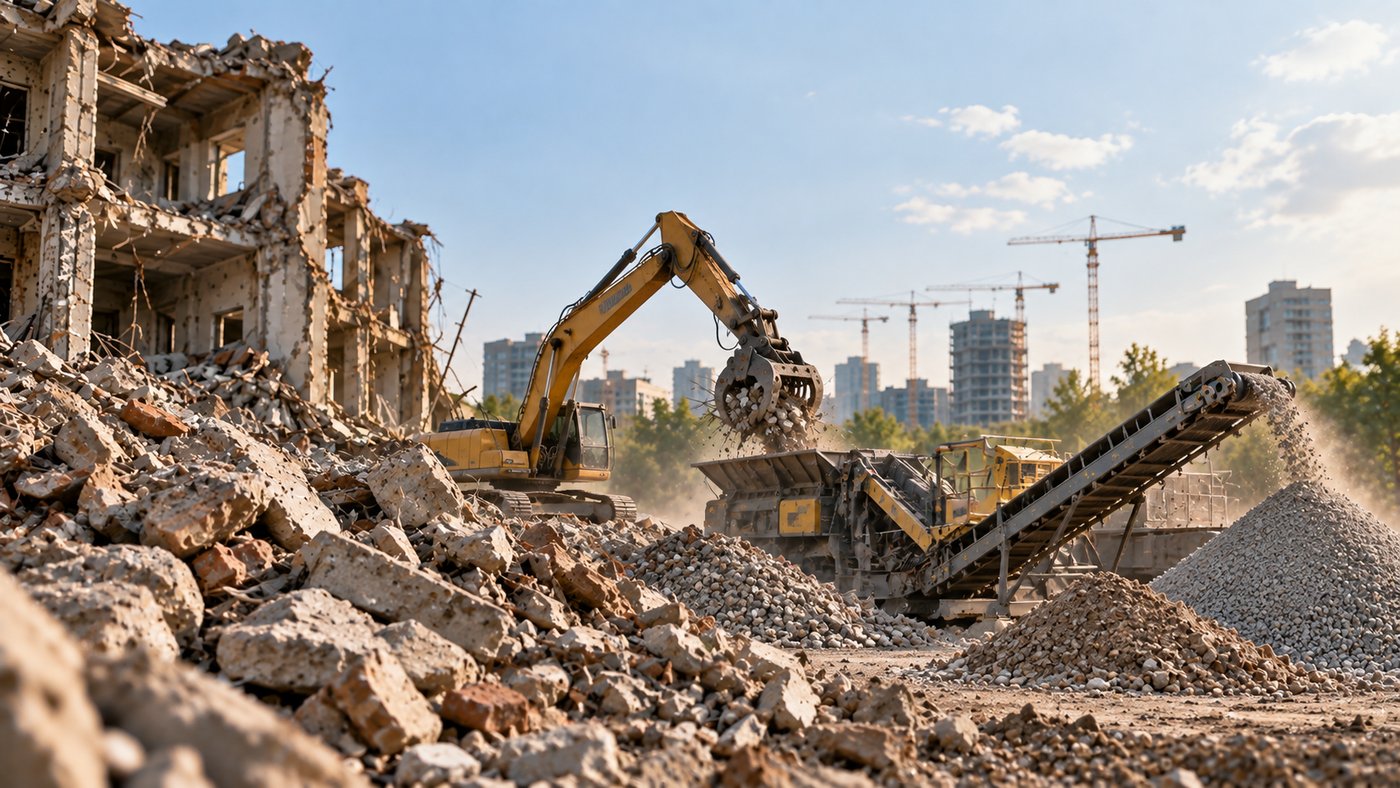
Ukraine is already facing the challenge of managing millions of tonnes of war-related debris. Yet most of these materials are still treated as a waste problem rather than a resource for recovery.
This is the starting point of the LIFE D2R-GreenUA (D2R) project. Bringing together partners from Ukraine, France, Italy and across Europe, the project explores how debris management can become part of reconstruction and how circular economy principles can be integrated into recovery efforts.
The D2R project consortium brings together complementary expertise in circular economy and construction waste management, financial modelling, legal and policy analysis, stakeholder engagement, municipal capacity building, communication, and practical implementation in Ukrainian communities.
According to Mathieu Morival, Project Manager of Neo-Eco, the project is ultimately about connecting the different actors involved in the value chain. Mathieu represents Neo-Eco Development, the project coordinator, which combines consortium management, financial coordination and reporting to the European Commission with practical involvement in pilot implementation. Neo-Eco also brings French expertise in circular economy, construction and demolition waste management, and reuse of recycled materials.
“We need to connect someone who has debris, someone who can transform it into recycled products, and someone who is ready to use those products.”
For him, circular reconstruction can only work if it makes economic sense for everyone involved, from municipalities and recyclers to construction companies and infrastructure operators.
“It should be economically viable for all players.”

This question of economic viability runs through almost every discussion within the project.
Matteo Solivo, EU Area Coordinator at Microfinanza, believes that the long-term success of circular reconstruction depends on evidence and financial sustainability. Matteo represents Microfinanza, which supports the consortium in financial management, impact measurement, monitoring and long-term sustainability planning. The organisation contributes expertise in financial inclusion, financial modelling and complementary financing tools for projects with social and environmental impact. “The more data you have, the better it is for the sustainability of the action.”
Beyond testing solutions on the ground, D2R project aims to develop financing models and investment approaches that can support circular practices after project funding ends.
“We would like to support the partnership in becoming a more sustainable approach, also after the end of the project.”

Economic viability is also closely linked to the development of a functioning market for secondary construction materials, says Roman Puchko, CEO of ReThink. Within D2R, ReThink leads project communication,stakeholder engagement, and results dissemination while also contributing to the implementation of several technical and capacity-building work packages across the consortium. According to Roman Puchko, creating demand for secondary construction materials is just as important as developing recycling technologies, since both are essential for making circular reconstruction economically viable. Today, virgin materials often remain cheaper than recycled alternatives because processing construction and demolition waste requires investment in sorting, logistics and recycling. Creating fair market conditions is therefore essential to make reuse economically attractive.
“We need to create conditions where virgin materials become more expensive and secondary materials become more affordable.”
At the same time, project partners stress that the barriers to circular reconstruction are not only technical.
According to Iryna Yarmolenko, CEO of IRS, the consortium’s initial assessment identified multiple systemic challenges that continue to slow progress. Iryna represents IRS and contributes to coordination, stakeholder communication, data collection and baseline analysis. Her team worked with construction companies, policymakers and pilot communities to identify key systemic gaps in Ukraine’s debris management sector.
These include the absence of End-of-Waste procedures, weak traceability systems, a lack of standards, certification challenges, fragmented governance structures and limited economic incentives.
“What is needed is coordinated action across all levels together with stronger political commitment.”

The regulatory dimension is also central for Oleg Kostiushko, Head of the Quality of Kramar ECO, who focuses on legal and economic aspects of debris management. Oleg brings more than 20 years of practical expertise in waste management in Ukraine and works on legal, economic and organisational solutions that can enable construction and destruction waste to be reused lawfully. Kramar ECO contributes a strong understanding of local market barriers, landfill economics and the regulatory changes needed to make recycling viable.
He argues that recycling will remain difficult to scale as long as landfill disposal remains the cheapest option.
“As long as landfilling remains inexpensive, the market will not develop on its own.”
In his view, public policy should actively encourage the use of recycled materials, particularly in road construction and public infrastructure projects.
While regulation is important, many partners emphasise that practical implementation must come first.
This is why D2R project is developing Regenerative Hubs that will test sorting, crushing, screening, logistics and reuse in real-life conditions.
Tetiana Tkachenko, Head of the Department of Environmental Protection Technologies and Occupational Safety at KNUCA, highlights the importance of proper sorting of demolition waste as a prerequisite for its further use. Within the D2R project, she contributes to the assessment of environmental risks and the development of methodological approaches and recommendations for demolition waste management. In her view, the effective reuse of materials is impossible without properly organised sorting at the very beginning of the process.
“Effective demolition waste management starts with proper sorting and the separation of hazardous components.”
For Mathieu Morival, these pilots are essential because they will generate evidence that is currently missing.
“The practical case studies will help us collect real economic data on transport, sorting and recycling.”
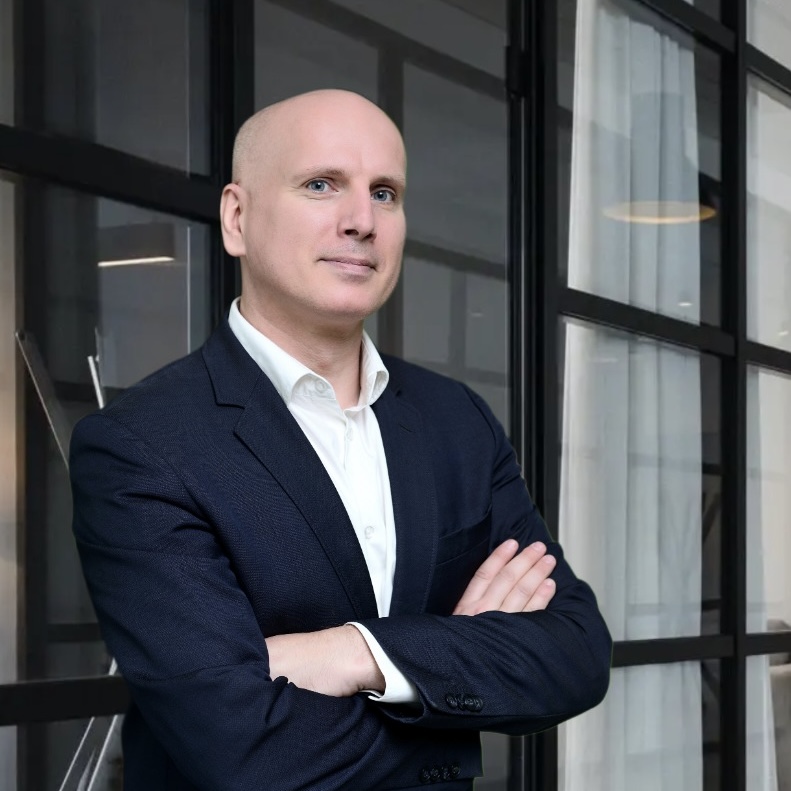
A similar perspective is shared by Emmanuel Lowe, Strategist of Emmanuel Lowe who supports the strategic and policy dimension of the project. Emmanuel contributes expertise in strategy, finance, business modelling, energy, government relations and strategic partnerships. His role is to connect practical implementation with policy, investment logic and long-term recovery planning.
“One of the strengths of D2R project is that it starts from practical testing and real implementation challenges, and only then moves toward policy recommendations.”
The role of municipalities is another recurring theme throughout the project.
Sofiia Shutiak, Legal analist of Lviv City Institute, notes that many communities still lack the institutional capacity needed to manage war-related debris as a separate material stream. Sofiia represents Lviv City Institute, an analytical centre responsible for the sustainability and replication dimension of the project. The team works on monitoring strategy, replication mechanisms, guidance for municipalities and the After-Life plan to ensure that D2R project results continue beyond the project period.
“The system will start changing when municipalities have dedicated specialists working specifically on debris management.”
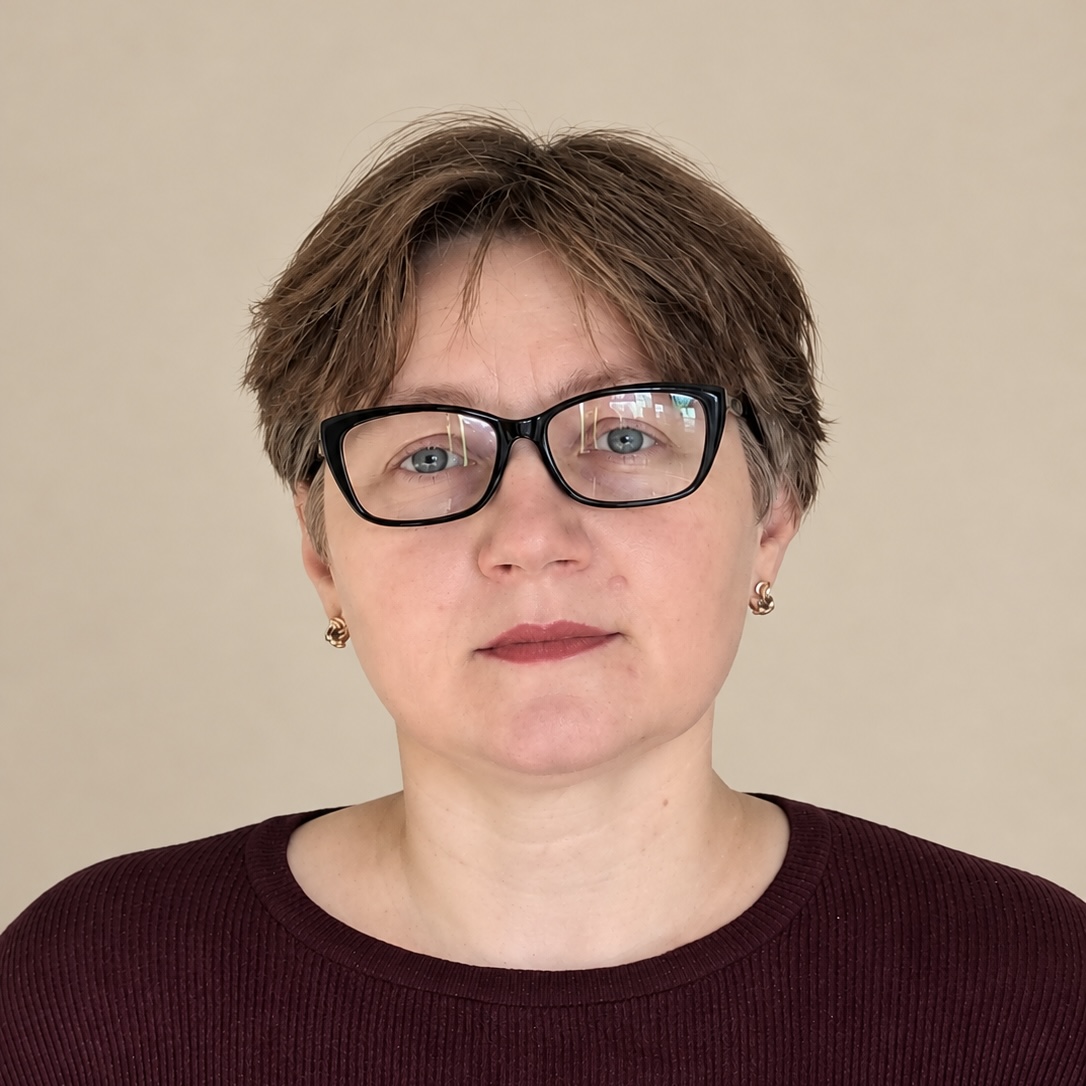
She also highlights the need for practical guidance and tools that local authorities can use in their daily work.
The same message is echoed by Lidiia Shymon, Project Manager of Neo-Eco Ukraine. In the D2R project Lidiia focuses on translating circular economy principles into practical tools for Ukrainian communities. Her perspective highlights the need for clear methodologies, workable economic models and simple legal pathways that make reuse understandable and feasible for local decision-makers.
“The system will work when the reuse of materials becomes a standard and understandable part of reconstruction rather than an exception.”

The methodological backbone of the project is also supported by Liudmyla Sierykh, Project Manager of CERN. Her team leads key work on the Replicable Debris Management Methodology, international best-practice analysis, business model development and policy recommendations for adapting Ukrainian legislation to circular debris management.
“For communities, this means access to clear methodologies, economic models and practical examples that support decision-making.”

International cooperation remains another key element of the project.
According to Domenico Vito, International Consultant of IRS, the diversity of the consortium is one of its greatest strengths. His team helps connect local Ukrainian realities with European policy frameworks, research approaches and international experience.
“When there is diversity, there is also a vibrant environment for finding innovative solutions.”

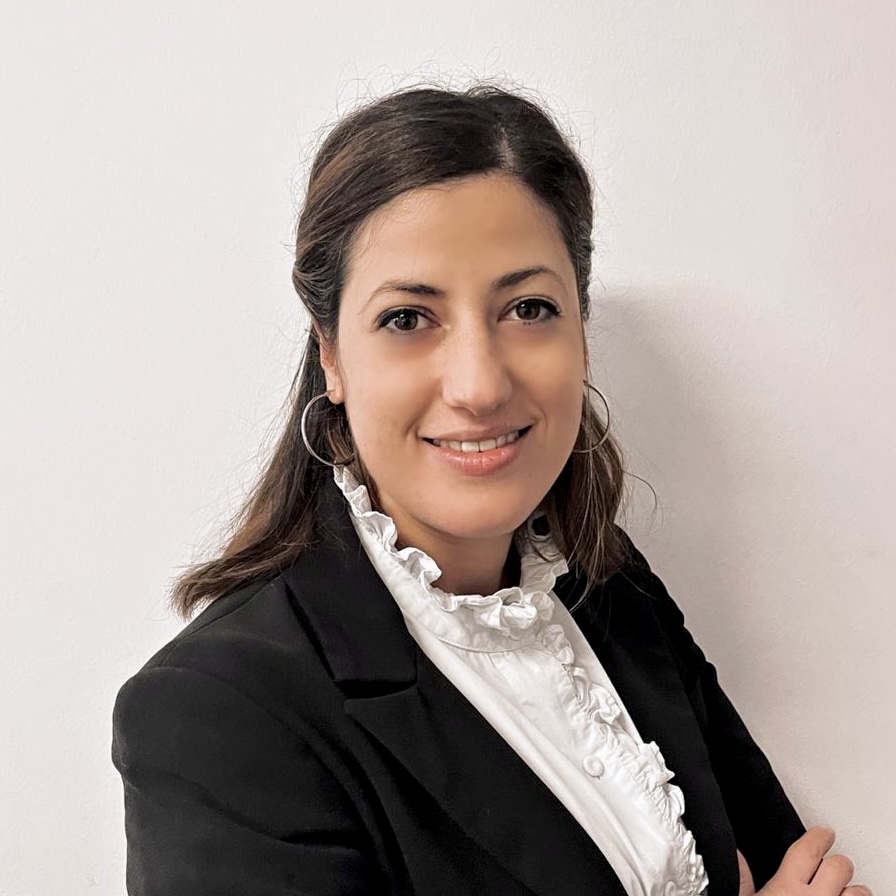
Vanessa Russano, General Secretary of the Italian Chamber of Commerce for Ukraine, highlights the role of partnerships between different stakeholders involved in reconstruction. Within the D2R project, the Italian Chamber of Commerce for Ukraine facilitates cooperation between Ukrainian and European institutions, businesses, research organisations, and local communities. In her view, bringing together expertise, best practices, and investment opportunities helps build the partnerships needed to implement innovative and sustainable solutions for debris management.
“D2R project helps connect the expertise, investment opportunities, and best practices needed to support Ukraine’s reconstruction.”
At the same time, partners stress that international cooperation is not about importing ready-made solutions.
This international dimension is also reflected in the work of GBC Italia, represented by Silvia Brembati and Valentina Marino. Within D2R, GBC Italia leads activities related to capacity building and knowledge transfer, helping the consortium turn technical findings and practical experience into learning tools for partners and stakeholders.
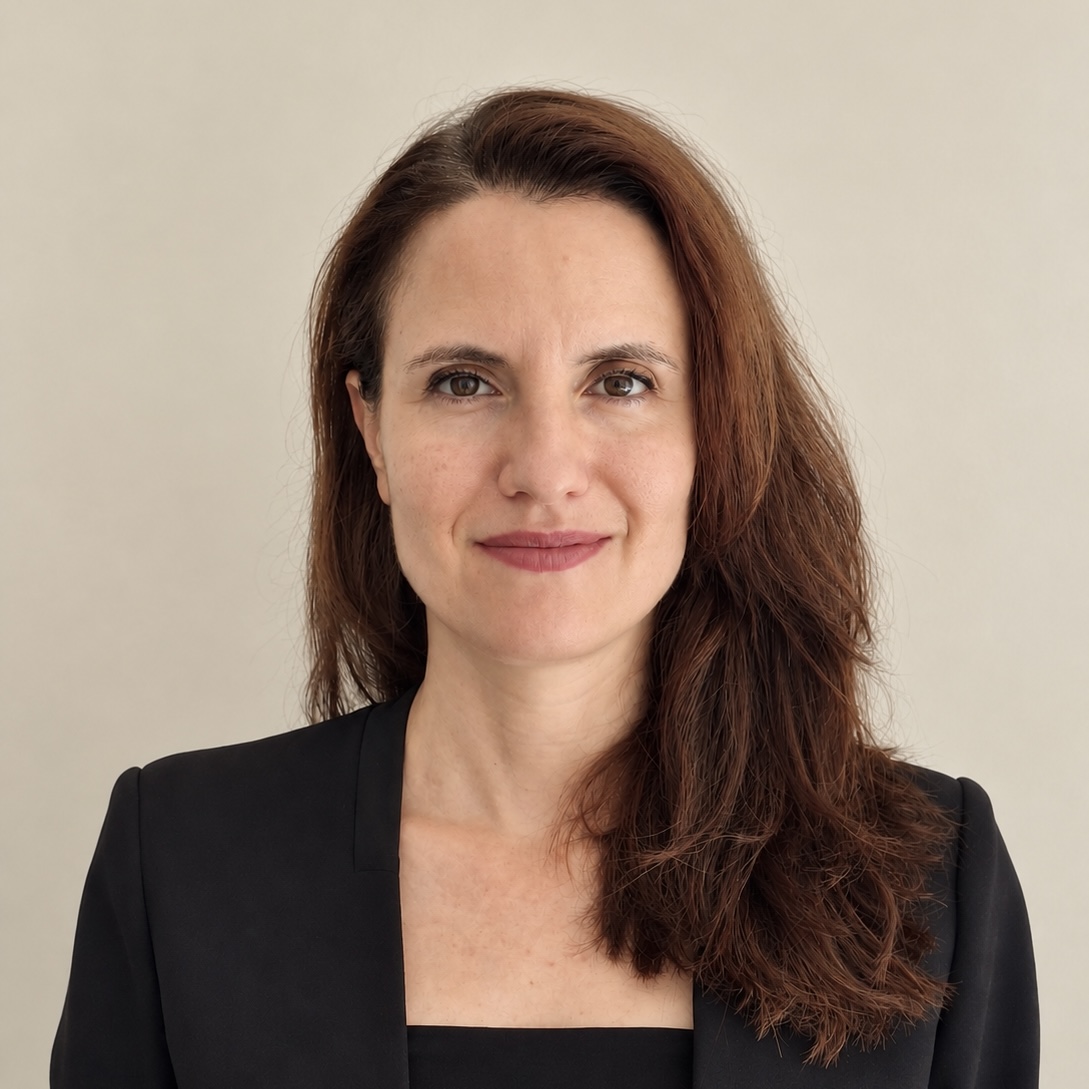
The Italian experience in managing, recovering and reusing demolition waste after earthquakes is especially valuable for the Ukrainian context. It shows how technical solutions, circular economy principles and territorial experience can support more practical and context-sensitive approaches to reconstruction.
As they emphasize: "The real strength of D2R lies in this synergy: combining capacity building, knowledge transfer, and circular economy expertise so that different territorial experiences can contribute to more effective and context-sensitive solutions for Ukraine."

This is why partners emphasize that international experience should serve as a reference point, not a ready-made blueprint. As Emmanuel Lowe explains:
“This is not about copy-pasting foreign models. It is about understanding what can realistically work in Ukraine.”
European experience can provide useful references, but solutions must be adapted to Ukraine’s specific realities, including wartime conditions, institutional structures and reconstruction needs.
Despite their different roles and perspectives, project partners share a common view. Making circular reconstruction work requires more than recycling technologies. It requires clear regulation, economic incentives, practical demonstration projects, stronger coordination and collaboration between municipalities, businesses and public institutions.
This is precisely what D2R aims to test over the coming years: how war-related debris can become part of a broader reconstruction system and how circular approaches can move from pilot projects to everyday practice.