Practical solutions for demolition waste management discussed at ReThink Waste 2026
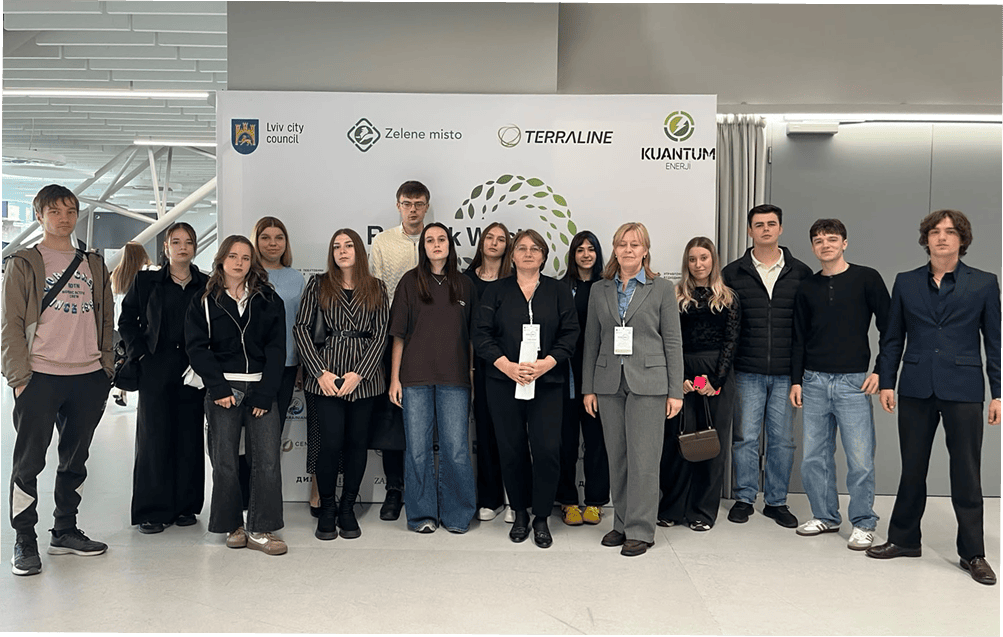
On 1 October, Lviv hosted ReThink Waste 2026, an annual professional forum focused on modern waste management approaches and solutions for the circular economy. This year’s event brought together around 400 representatives of Ukrainian municipalities and communities, public institutions, businesses, international financial organisations, experts and civil society organisations from across Ukraine.

As part of the forum, the LIFE D2R: Green Recovery Ukraine consortium held a dedicated panel, “Demolition Waste Management: Solutions for the Reconstruction of Ukraine. The Second Step in Demolition Waste Management.” The discussion focused on practical experience and solutions for managing demolition waste generated by damaged and destroyed buildings and infrastructure.
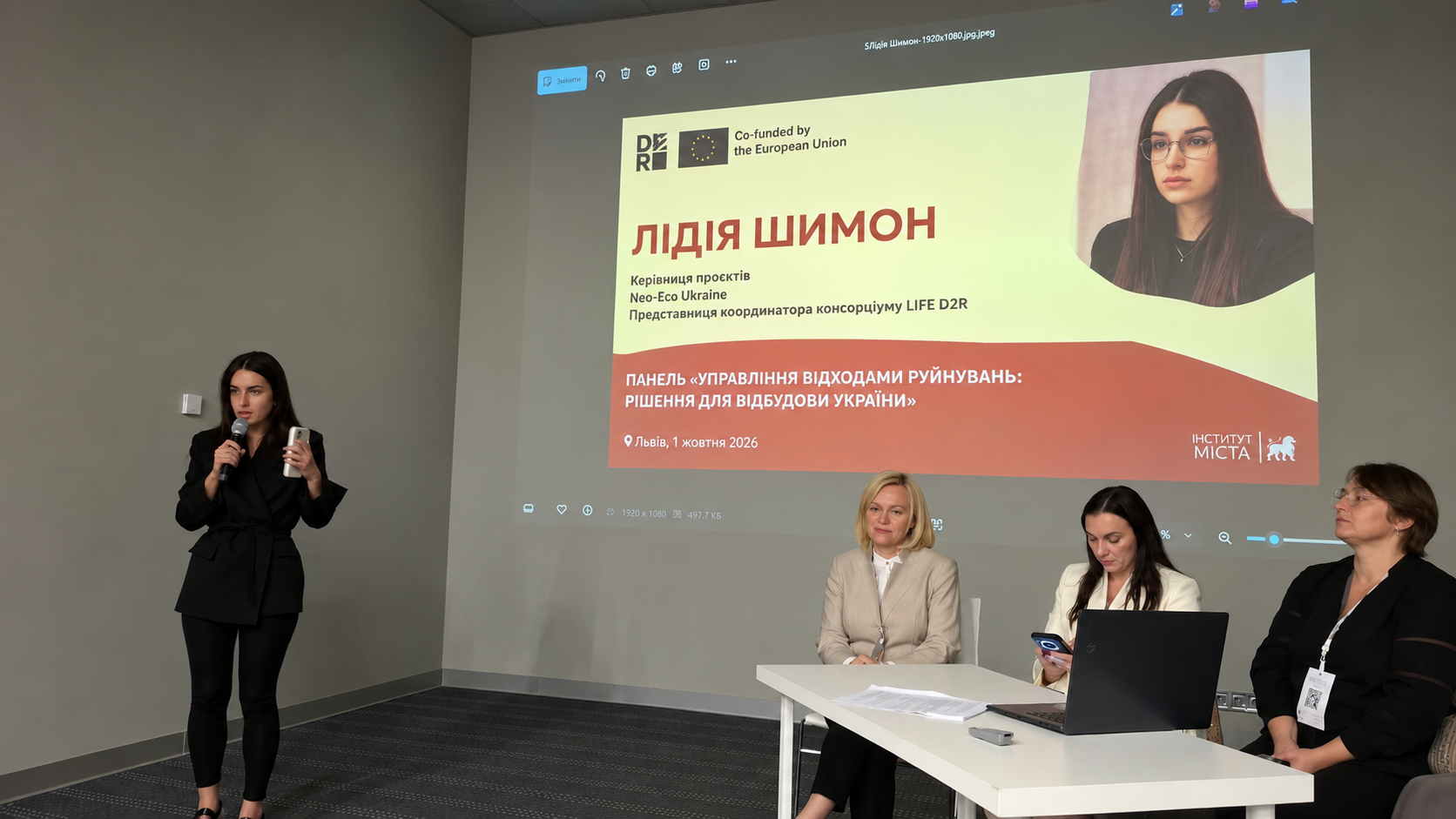
The panel addressed safe demolition, sorting and recycling of demolition waste, as well as opportunities to reuse recovered materials in reconstruction. Participants shared experience from Ukrainian communities and discussed how approaches to demolition waste management need to take into account the volume of waste, available infrastructure and local resources.
Before recovered materials can be reused, they need to be properly sorted, their composition assessed and their safety verified. This helps determine which materials can be recycled and what applications they may be suitable for.
The experience of Ukrainian communities shows that there is no single model for managing demolition waste. Large cities may require specialised facilities for sorting and processing significant volumes of material. Smaller communities, meanwhile, may rely on existing municipal infrastructure, mobile equipment or cooperation with neighbouring communities.
Logistics is another important challenge. Transporting demolition waste over long distances can make recycling economically unviable, particularly for communities where only relatively small volumes are generated. Experts therefore emphasised the need to consider logistical and economic factors when planning waste management systems.
The discussion also covered regulatory and organisational conditions. Effective management requires reliable data on the quantity and composition of materials generated during demolition, as well as clear rules for their further use. Scaling up these solutions will require cooperation between communities, public institutions, businesses and other stakeholders.
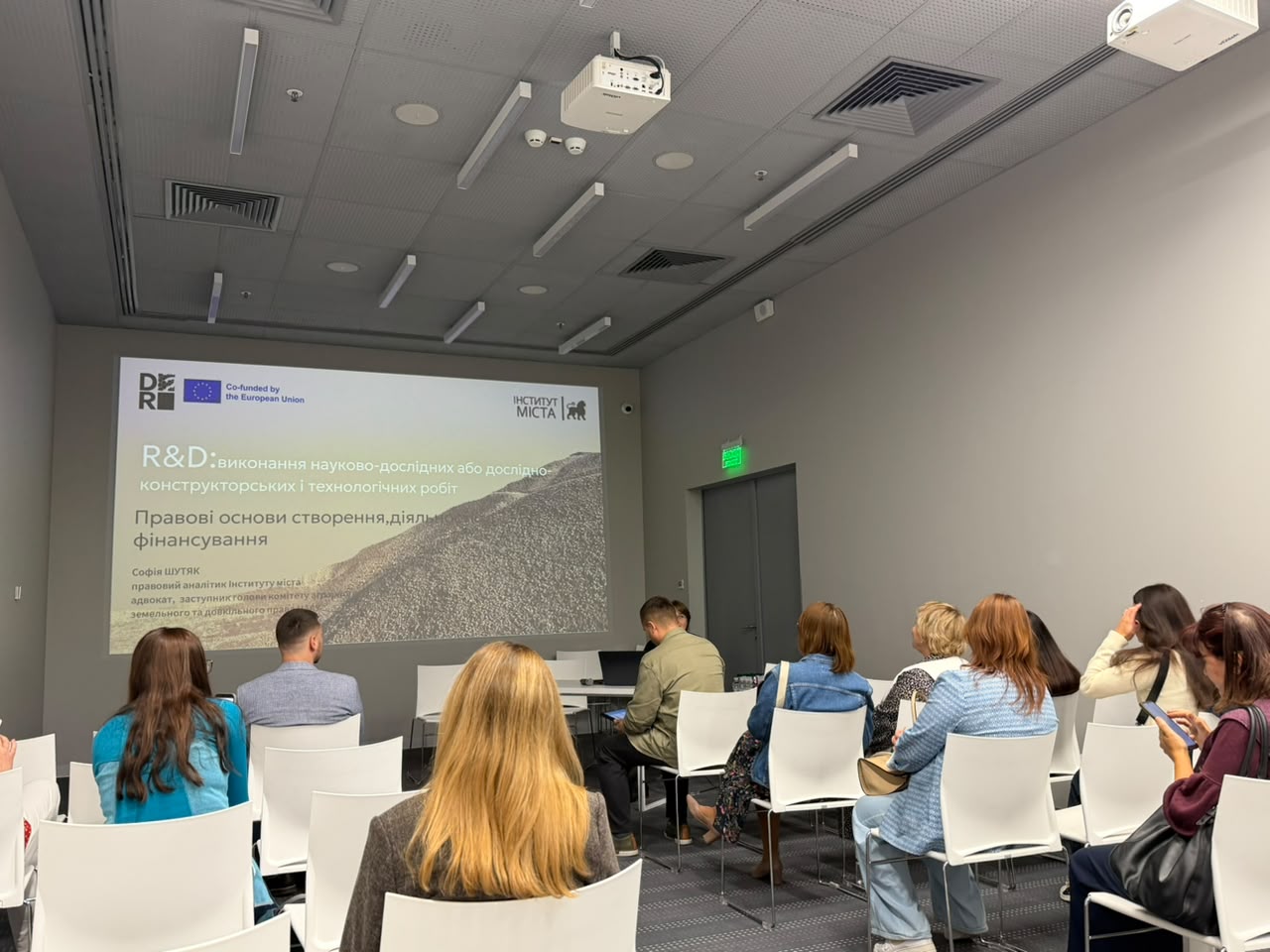
Within LIFE D2R: Green Recovery Ukraine, project partners are developing a systematic approach to demolition waste management in Ukraine. The project covers waste management methodology, practical solutions for safe demolition, sorting, recycling and reuse of materials, as well as the development of a circular economy model and recommendations for improving the regulatory framework. The solutions are being tested in communities to identify approaches that can be applied more widely as part of Ukraine’s reconstruction.
Alongside the professional discussions, ReThink Waste 2026 also saw the signing of a Memorandum of Cooperation between Lviv Municipal Enterprise “Zelene Misto” and Unbroken University to establish a Municipal Technologies Centre. The centre will focus on researching and implementing solutions that support resilient communities.
Participation in ReThink Waste 2026 provided an opportunity to present LIFE D2R’s work, exchange practical experience with Ukrainian communities and discuss the conditions needed to further develop demolition waste management in Ukraine.