Destruction debris as a resource: D2R at the conference “Green Construction”
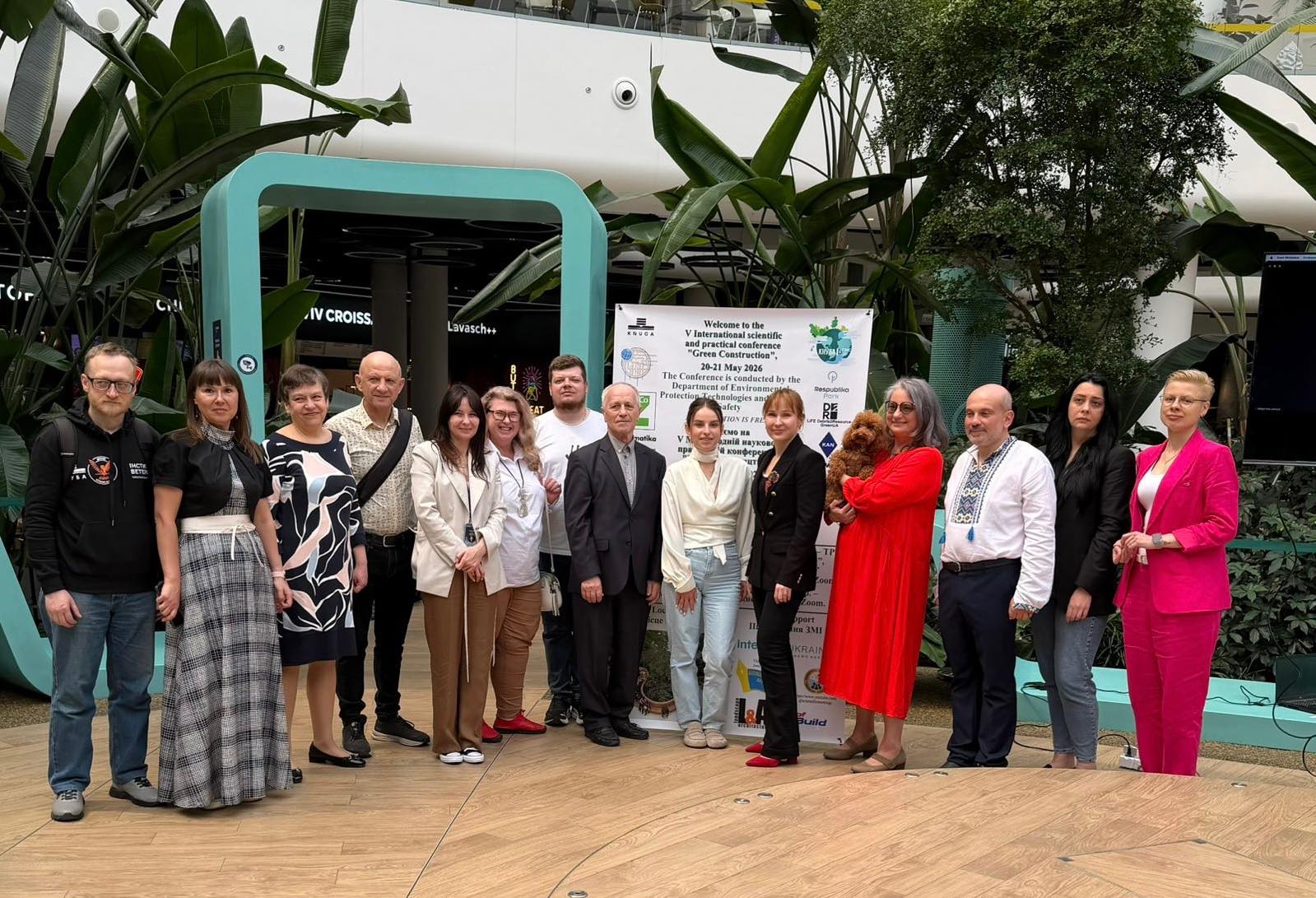
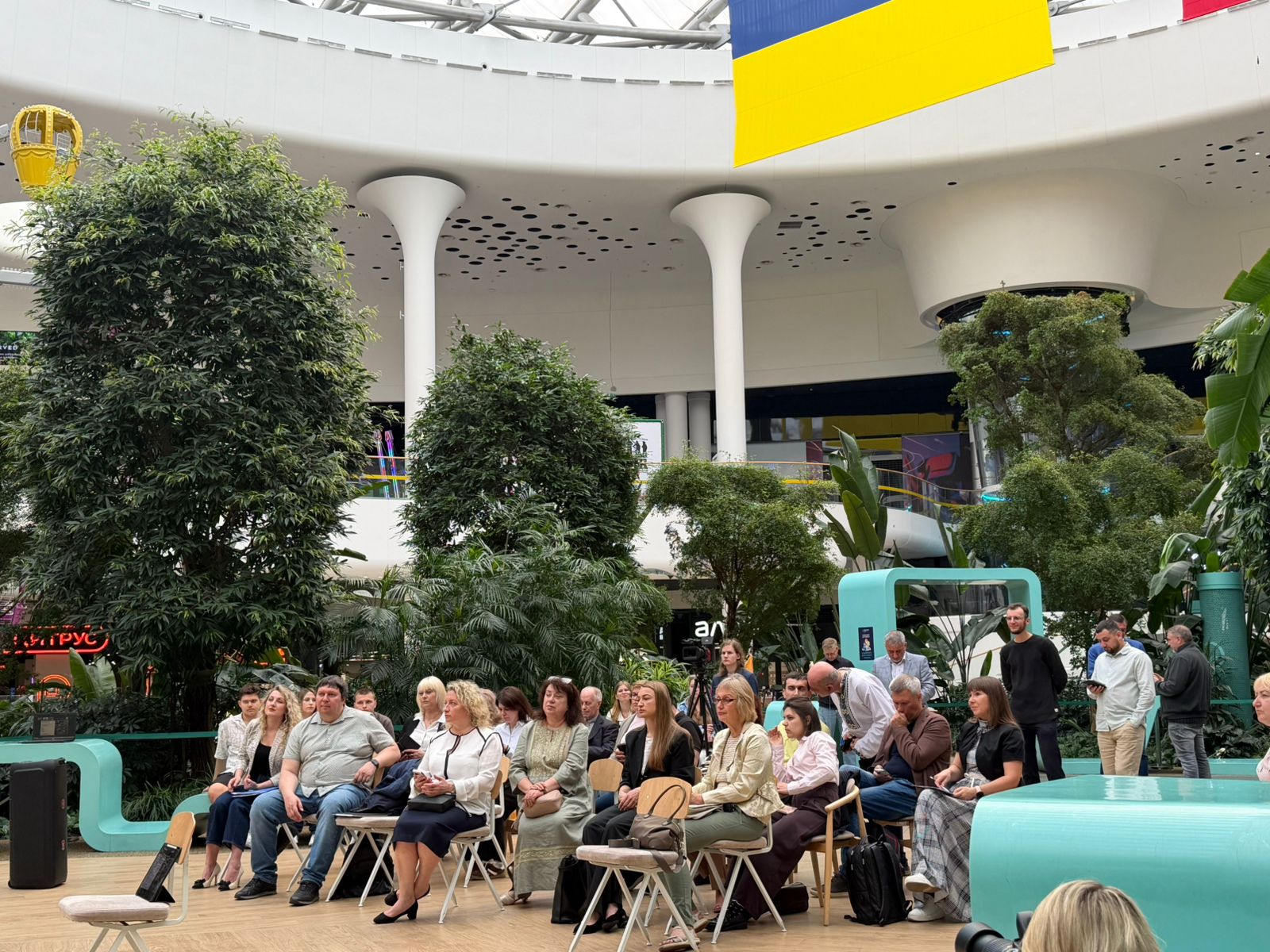
A new approach to destruction debris management is being developed in Ukraine, focusing on turning debris into a resource for reconstruction and infrastructure recovery. The topic was presented during the 5th International Scientific and Practical Conference “Green Construction”, held on 20 May 2026, which brought together Ukrainian and international researchers, academics, and business representatives to discuss solutions for Ukraine’s post-war recovery.
The conference moderator, Doctor of Technical Sciences Tetiana Tkachenko, emphasized: "Debris is the hard burden on the environment, broken by the russian ecocide. Economically-efficient debris utilisation is the best way to after-war rebuilding, development of the economy, improving the environment with the care about future generations".
One of the conference presentations featured Lidiia Shymon, Consortium Leader of the LIFE D2R-Green UA (D2R) project and representative of Neo-Eco. She presented an integrated approach to destruction debris management that combines regulatory improvements, scientific expertise, and practical solutions for material recovery and reuse.
The D2R project is implementing an innovative approach to the management of debris from destruction in three affected communities in the Kyiv region. Its main objective is to develop a methodology for debris management and a set of regulatory recommendations that can support the development of reconstruction and waste management systems, as well as long-term systemic solutions at both community and national levels.
The volume of destruction debris in Ukraine continues to grow daily, amounting to millions of tonnes of materials requiring processing and reuse. At the same time, local communities often face the greatest operational burden while lacking sufficient resources and technical capacity to manage these processes effectively.
In this context, cooperation between government institutions, businesses, researchers, municipalities, and international partners remains essential. The D2R consortium already brings together 14 Ukrainian and European experts working across waste management, sustainable development, finance, and municipal planning.
Lydia Shymon emphasised:
“It would be incorrect to say that recycling is always economically viable. First and foremost, it is about environmental value. At the same time, Ukraine needs to move from temporary responses toward a systemic approach where destruction debris becomes a resource for reconstruction and the development of a circular economy.”
According to the speaker, the state should play a key role in advancing circular economy approaches through regulation, targeted subsidies, and requirements for the use of recycled materials in construction.
Lydia Shymon also shared examples of European practices where incentives and regulatory mechanisms work together as part of an integrated system. Within the D2R project, a methodology for destruction debris management is currently being developed, covering the full process from dismantling to material reuse. Pilot activities are already being implemented in the communities of Irpin and Borodianka, both heavily affected by Russia’s invasion of Ukraine.
Another important initiative within the project is the launch of Asbest Lab in Kryvyi Rih, the first laboratory in Ukraine focused on detecting asbestos in destruction debris.
Project participants are encouraging experts, municipalities, and sector representatives to contribute to the development of new solutions, from material testing to proposals for improving the regulatory framework.