A coordination event on the management of demolition waste was held
.jpg)
On 12 February 2026, a coordination event on the management of war-damaged debris took place in Kyiv. The event was organised by the Debris2Resources (D2R) project consortium under the LIFE Programme, funded by the European Union, in cooperation with the Ministry of Economy of Ukraine.
The event brought together representatives of government institutions, businesses, international partners, researchers, and sectoral experts. Discussions focused on how Ukraine can effectively manage debris generated by war-related destruction. Representatives of private companies and international business associations also participated in the event.
.jpg)
Vladyslav Antypov, Owner and CEO of the Centre for Ecology and Development of New Technologies, emphasised: “We should not simply remove debris or transport waste to landfills. Ukraine needs to establish a modern system for demolition management, recycling, logistics, and storage of war-damaged debris.”
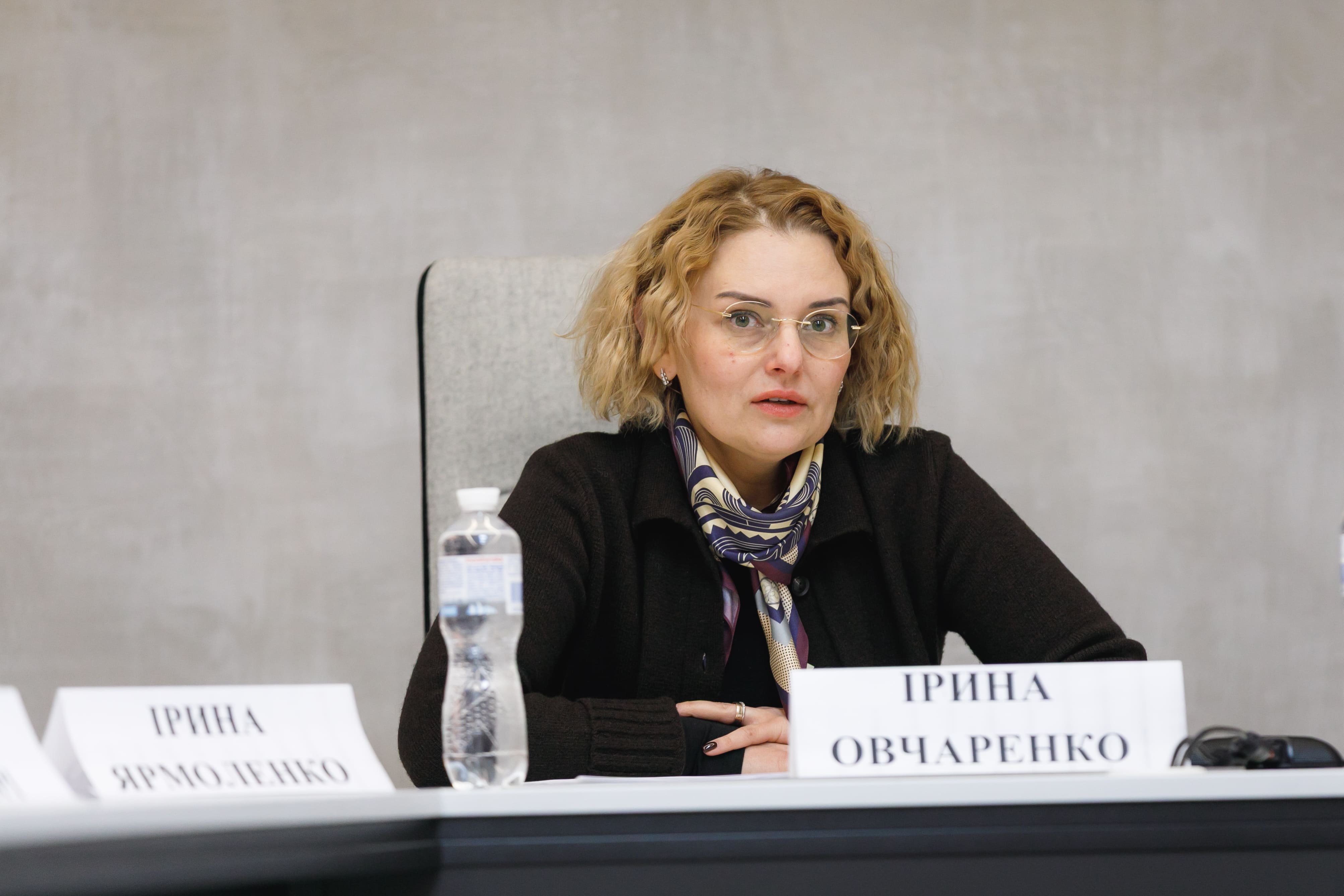
Opening the event, Iryna Ovcharenko, Deputy Minister of Economy of Ukraine, noted: “It is necessary to structure the legislative framework and eliminate contradictions between secondary regulations and primary legislation. Waste management must evolve together with the construction materials market.”
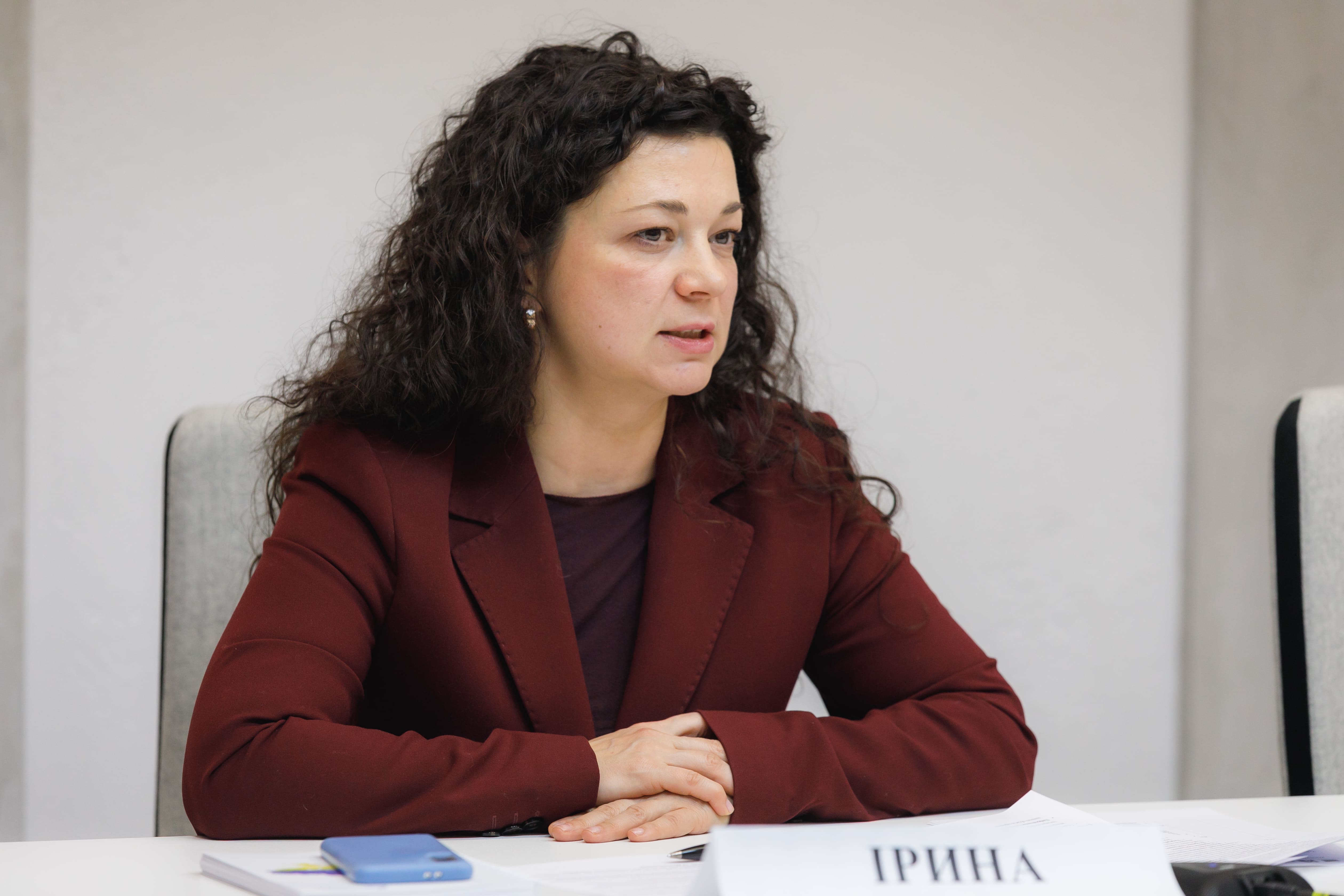
Iryna Lahunova, Senior Project Manager of the Recovery and Reform Support Team at the Ministry for Development of Communities and Territories of Ukraine, highlighted the importance of feedback from municipalities and the involvement of research institutions in developing effective solutions.
Marcela McAndrew, representative of the European Commission’s Directorate-General for Environment, stated: “For the European Commission, debris management is part of a systemic policy that should align with EU legislation. The key value of this platform lies in reducing the communication gap between project partners and national policymaking.”
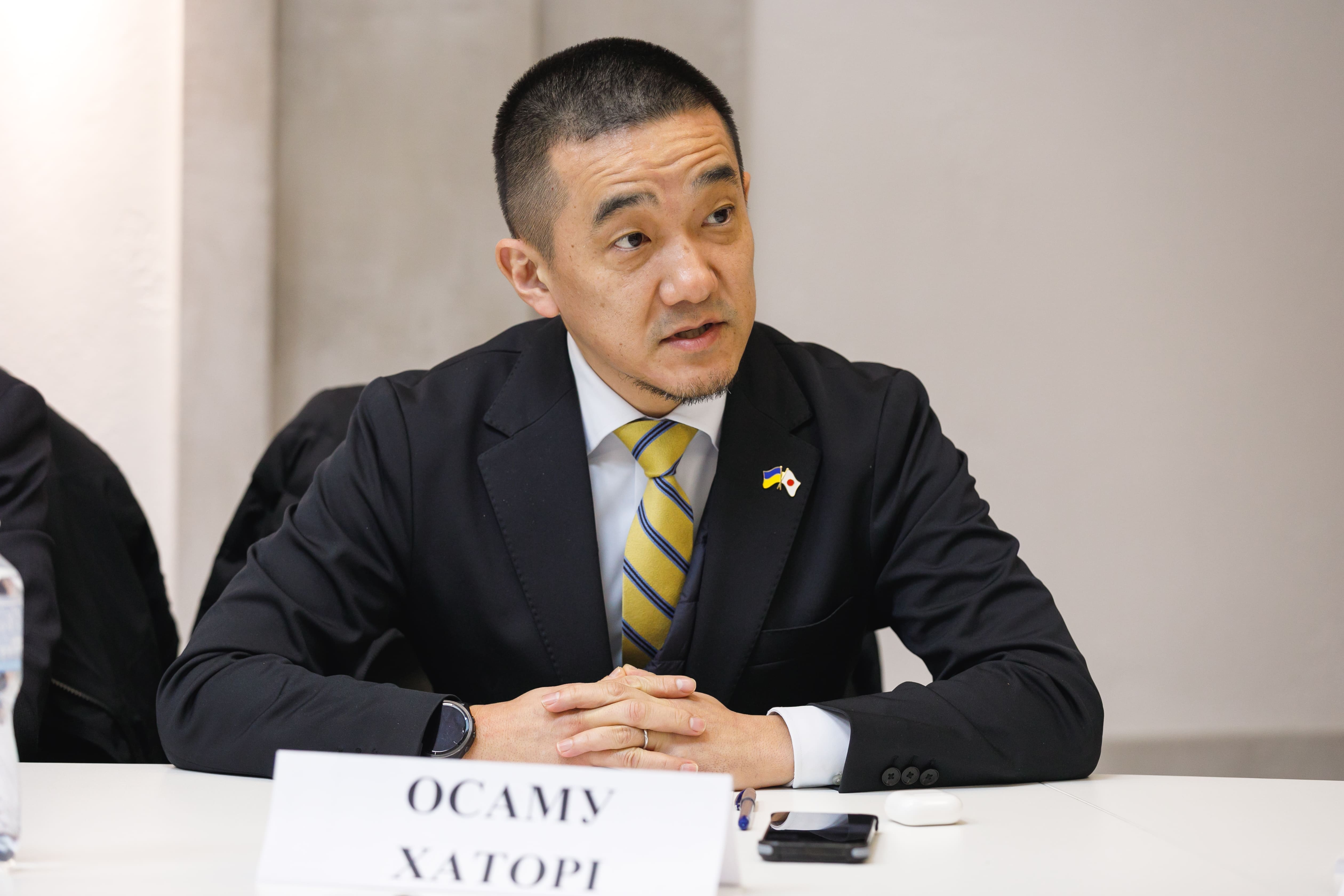
Osamu Hattori, Head of the Ukrainian Office of JICA, reported that more than 55,000 tonnes of debris have already been processed, demonstrating strong operational capacity at the local level. At the same time, the lack of national standards for the use of recycled materials remains a major barrier. The development of technical specifications could serve as a temporary solution.
Representatives of UNDP stressed that Ukraine currently does not require additional recycling capacity, but rather investments in sorting systems that enable the production of high-quality secondary raw materials and support economically viable recycling models.
Iryna Yarmolenko, Director of IRS and co-organiser of the event from the D2R consortium, highlighted: “To scale up recycling, Ukraine needs updated national standards and predictable economic scenarios that would allow businesses to plan investments.”
Participants also discussed the issue of ownership rights over debris from destroyed buildings and the legal status of materials after recycling. Due to legal uncertainty, businesses remain reluctant to invest, and the use of recycled materials — even in simple infrastructure projects — is often blocked.
The key takeaway from the meeting was clear: expert recommendations must be translated into concrete decisions of the Cabinet of Ministers of Ukraine, including targeted amendments to regulations and clear financial frameworks. Only in this way can discussions evolve into practical solutions and a coherent national policy for debris management.